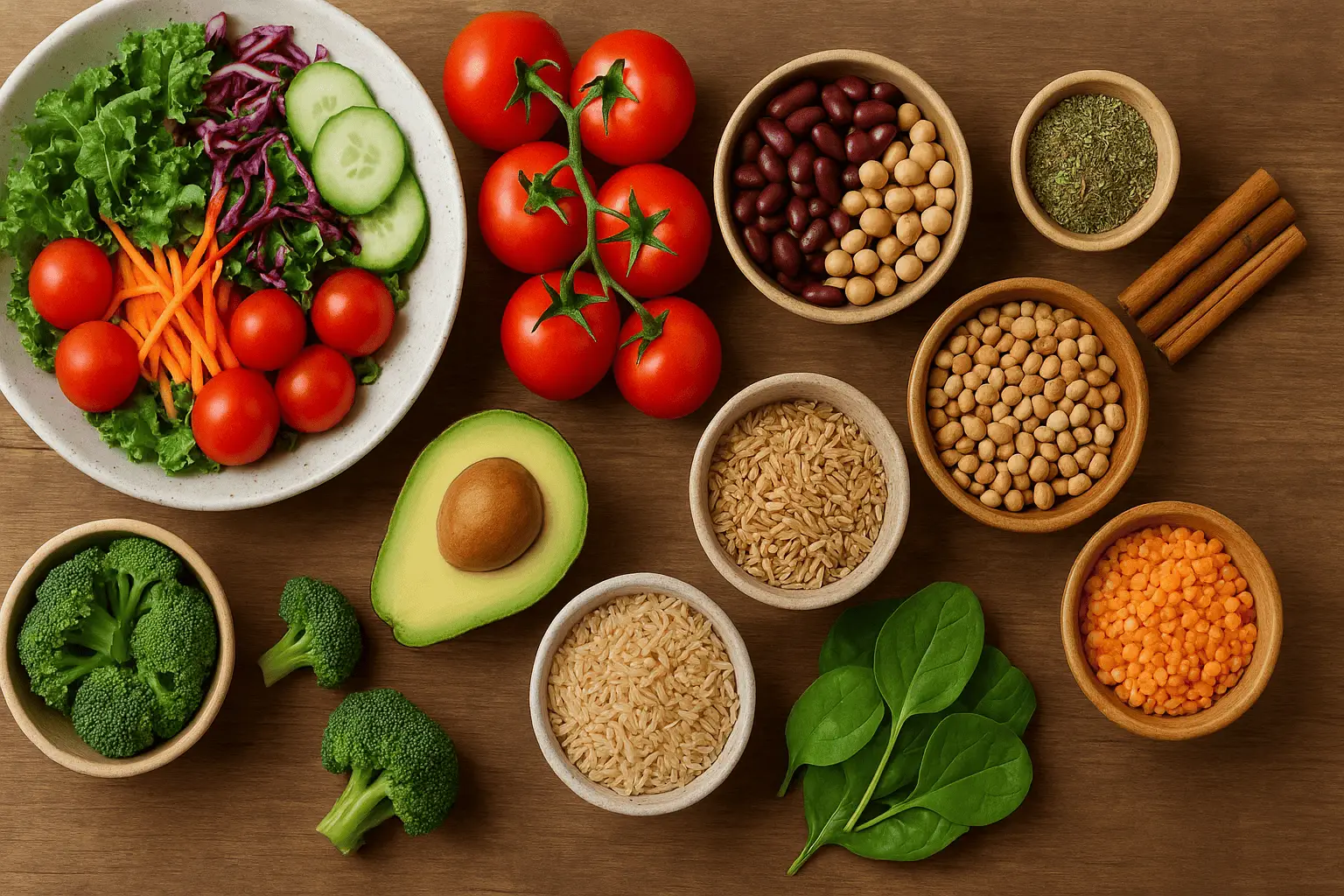

Switching to a plant-based lifestyle is one of the most powerful decisions you can make for your health but also one of the most misunderstood.
Many people imagine a boring plate of lettuce, an endless list of foods they “can’t” eat, or constant cravings.
But the truth is:
👉 Plant-based eating isn’t about restriction, it’s about abundance.
It opens the door to vibrant flavors, healing nutrients, and a deeper connection with what nourishes your body.
Here’s how to make the transition with ease, excitement, and zero feelings of deprivation.
🥑 1. Start by Adding, Not Subtracting
Instead of focusing on what you’re cutting out, shift your attention to what you’re adding.
Plant-based eating is colorful, rich, and full of variety.
Start with simple swaps:
- Add extra veggies to your meals
- Introduce whole grains like quinoa or brown rice
- Include legumes such as lentils, chickpeas, or beans
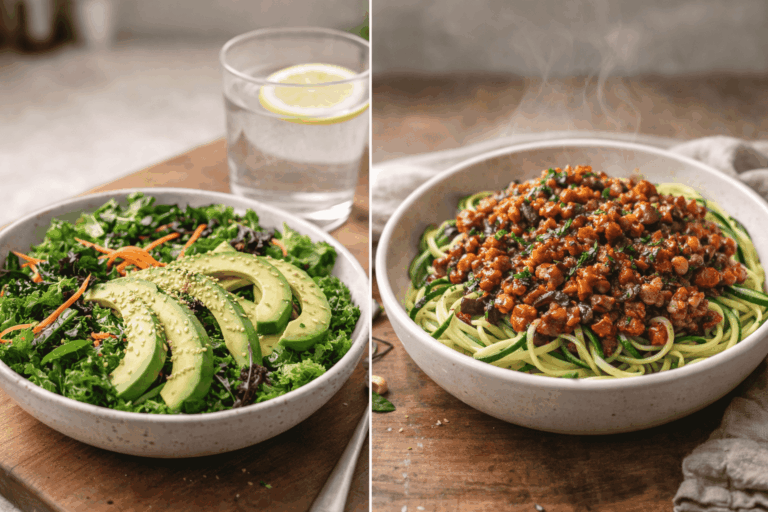
- Enjoy healthy fats like avocado, nuts, and seeds
When your plate is full of good things, you naturally feel less “restricted.”
🍲 2. Recreate Your Favorites the Plant-Based Way
Cravings often come from emotional habits, not hunger and that’s okay. The good news? Almost every comfort food has a delicious plant-based version.
Try plant-based alternatives of:
- Creamy pasta (cashew sauce)
- Tacos (lentil or chickpea filling)
- Burgers (black bean or quinoa patties)
- Stir-fries (tofu, tempeh, or mixed veggies)
You don’t have to abandon the dishes you love, you just reinvent them.
🌈 3. Keep Your Meals Colorful
A colorful plate isn’t just pretty, it’s powerful.
Different colors in fruits and vegetables represent different antioxidants, vitamins, and compounds your body needs.
Aim for this simple rule:
👉 At least 3 colors on your plate per meal.
Red tomatoes, green spinach, orange carrots, purple cabbage…
Color equals nourishment.
🌿 4. Use Herbs and Spices to Boost Flavor
A common misconception is that plant-based food is bland. But the truth is: herbs and spices are what make food exciting.
Enhance your meals with:
- Garlic
- Ginger
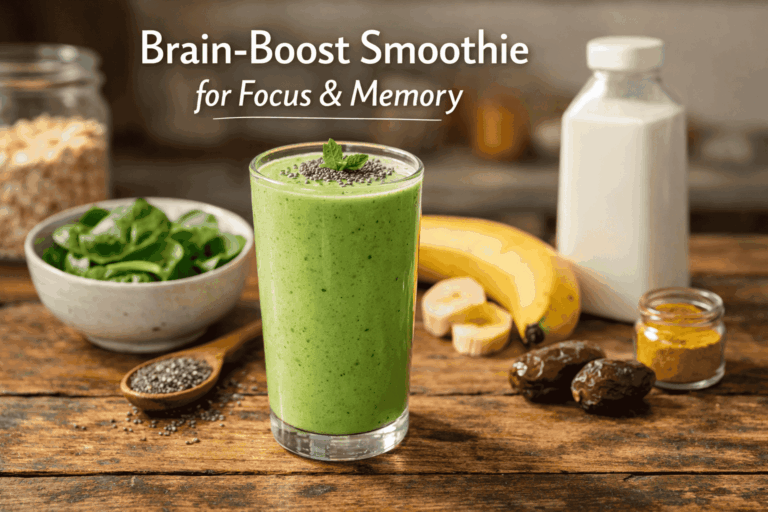
- Turmeric
- Rosemary
- Basil
- Cumin
- Cinnamon
Not only do they add flavor, but they support digestion, immunity, and overall wellness.
(Your kitchen really is your first medicine cabinet.)
🍵 5. Build a Mini Plant-Based Pantry
A well-stocked pantry makes the transition effortless.
Keep these staples on hand:
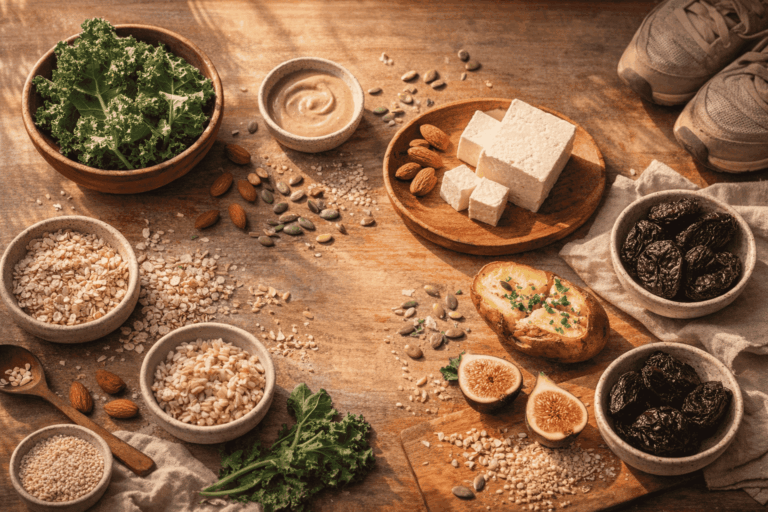
- Lentils & beans
- Brown rice & quinoa
- Rolled oats
- Coconut milk
- Chia seeds and flaxseed
- Tomato paste
- Herbs and spices
- Nuts & nut butters
You’ll always have the foundation for a nourishing meal, no stress, no limitations.
❤️ 6. Give Yourself Grace
- You don’t have to be perfect.
- You don’t have to switch everything in one day.
- You don’t have to label yourself.
Plant-based living is a journey not a test.
Every plant-forward choice you make is a win for your body, energy, and long-term health.
💭Final Thoughts
Eating plant-based isn’t about eating less…
It’s about living more.
More energy.
More flavor.
More nourishment.
More connection to the healing power of food.
Make small steps. Listen to your body.
And allow your kitchen to guide you toward a healthier you without restriction.