
Osteoporosis is often called the “silent disease” because it creeps in without pain, revealing itself only when a bone snaps from a minor fall or sometimes from a simple cough. If you are living with this diagnosis, you may feel betrayed by your own skeleton. The good news is that bone is not inert rock; it is dynamic, living tissue that responds to how you live, move, and eat.
This guide dismantles the dangerous myths surrounding bone loss and provides a comprehensive, evidence-based natural framework for halting its progression and coaxing your bones back toward strength. We will explore the full symphony of minerals required for skeletal integrity (not just calcium), how to obtain them from food and sunlight alone, and the lifestyle shifts that signal your body to build rather than dissolve bone.
Myths vs. Facts: Clearing the Confusion
Myth 1: “Osteoporosis is only an old woman’s disease.”
Fact: While menopause accelerates bone loss due to estrogen decline, men account for nearly 30% of all hip fractures and are more likely to die following a fracture than women. Younger individuals, including athletes with eating disorders or those on long-term steroids, can also develop osteoporosis.
Myth 2: “Just drink more milk.”
Fact: Dairy is not the only, or necessarily the best source of calcium. Populations with low dairy consumption often have lower fracture rates than high-dairy Western populations. The key is the absorption and utilization of calcium, which depends on magnesium, vitamin D, K2, and an alkaline diet, not just calcium intake alone.
Myth 3: “If you have osteoporosis, you should avoid exercise to prevent falls.”
Fact: Inactivity accelerates bone loss. Weight-bearing and resistance exercises are the only stimuli that tell osteoblasts (bone-building cells) to lay down new matrix. The strategy is smart exercise improving balance and strength to prevent falls, while loading the bones safely.
Myth 4: “It is an inevitable part of aging.”
Fact: While bone density naturally declines after age 30, osteoporosis is not inevitable. Lifestyle factors can delay, prevent, or significantly mitigate bone loss even in genetically predisposed individuals.
Myth 5: “You can feel your bones getting weaker.”
Fact: You cannot. There is no pain associated with low bone density until a fracture occurs. This is why screening is essential.
Myth 6: “Calcium supplements alone can cure it.”
Fact: Calcium in isolation, especially from rocks (carbonate) or poorly absorbed forms, can be problematic. Without the cofactors; magnesium, vitamin D, K2, and others, calcium may deposit in arteries instead of bones. Food-based nutrition provides the complete package.
The Mineral Orchestra: More Than Just Calcium
Bone is a mineralized matrix, but it is also one-third collagen (protein). For minerals to harden this scaffold, they must work in concert. Think of calcium as the bricks; the following nutrients are the mortar, the architects, and the construction crew.
1. Calcium (The Building Block)
Calcium provides rigidity, but it cannot build bone alone. It requires magnesium to be absorbed, vitamin D to enter the bloodstream, and vitamin K2 to direct it to the skeleton rather than soft tissues.
- Daily Requirement: 1,000 mg for adults; 1,200 mg for women over 50 and men over 70.
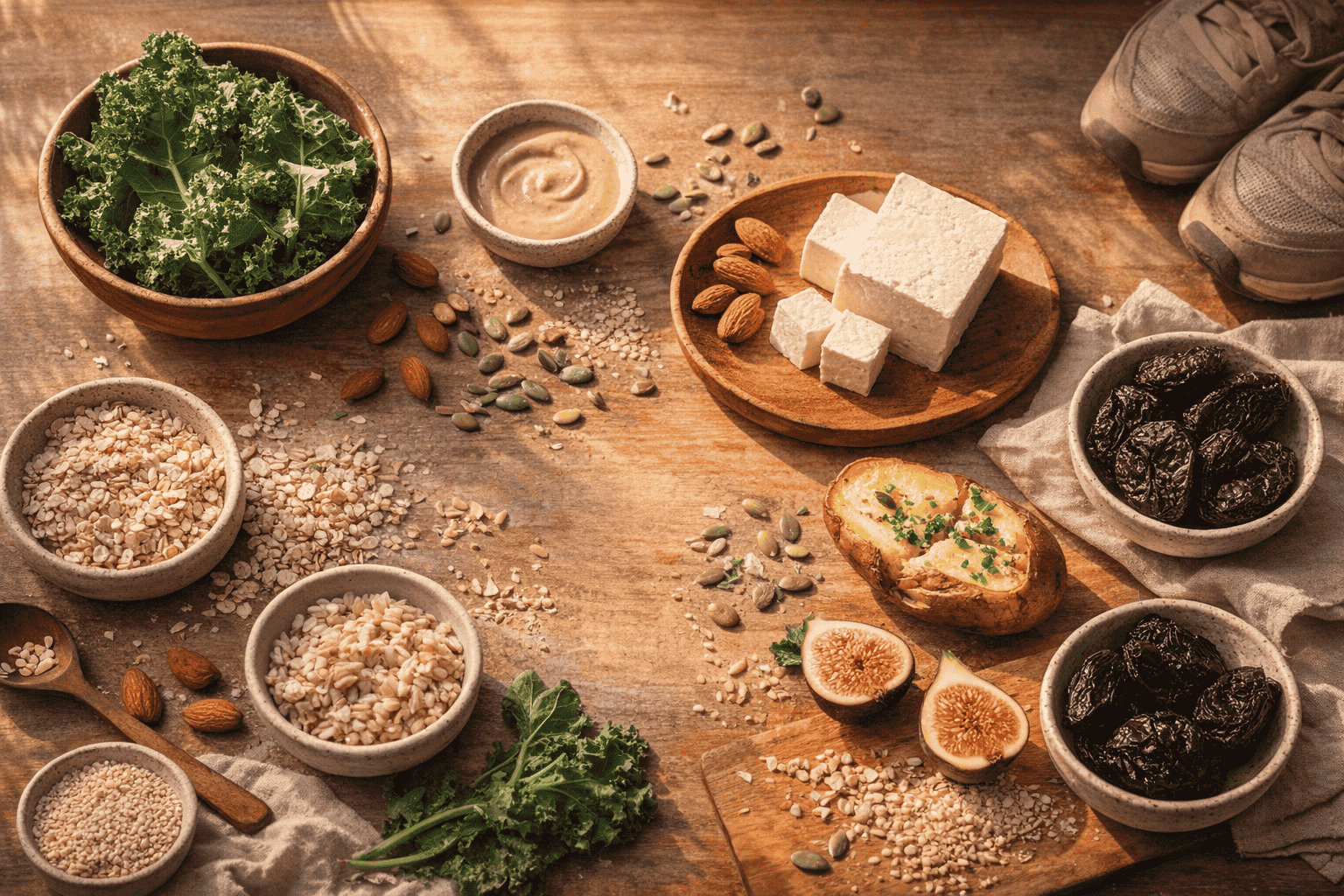
- Plant Power Sources: Calcium-set tofu (check ingredient list for calcium sulfate), tahini (sesame paste), kale, collard greens, bok choy, blackstrap molasses, figs, almonds, fortified plant milks (unsweetened).
2. Magnesium (The Calcium Helper)
Over 60% of the body’s magnesium resides in bone. It converts vitamin D into its active form, enabling calcium absorption. Without adequate magnesium, calcium can become toxic or deposit in soft tissues. Magnesium also suppresses parathyroid hormone (PTH), which otherwise triggers bone breakdown.
- Daily Requirement: 310–320 mg for adult women; 400–420 mg for adult men.
- Plant Power Sources: Pumpkin seeds, almonds, cashews, spinach, black beans, quinoa, dark chocolate (70%+ cacao), whole wheat.
3. Vitamin D (The Director)
Technically a hormone, vitamin D is the gatekeeper. It increases intestinal calcium absorption from roughly 10–15% to 30–40%. It also modulates bone remodeling.
- Daily Requirement: 600 IU (15 mcg) for ages 19–70; 800 IU (20 mcg) for those over 70. Many adults require sun exposure beyond this to maintain optimal blood levels.
- Natural Sources: Midday sunlight (10–30 minutes on exposed skin, depending on latitude and skin tone), UV-exposed mushrooms (maitake, portobello), fortified plant milks.
4. Phosphorus (The Framework)
Phosphorus combines with calcium to form hydroxyapatite crystals, giving bones compressional strength. The key is balance: the ideal dietary calcium-to-phosphorus ratio is approximately 1:1 to 2:1. Excess phosphorus (from colas and processed foods) without sufficient calcium triggers bone resorption to neutralize acid.
- Daily Requirement: 700 mg.
- Plant Power Sources: Lentils, chickpeas, navy beans, oats, pumpkin seeds, peanuts, whole grains.
5. Zinc (The Repair Crew)
Zinc is required for the synthesis of collagen and the alkaline phosphatase enzyme necessary for bone mineralization. It is crucial for wound healing and bone tissue repair after micro-damage.
- Daily Requirement: 8 mg for women; 11 mg for men.
- Plant Power Sources: Pumpkin seeds, hemp seeds, chickpeas, peanuts, cashews, oatmeal.
6. Potassium (The Guardian)
Diets high in potassium (and magnesium) create an alkaline environment, reducing the need for the body to leach calcium from bones to neutralize dietary acid. Potassium also reduces urinary calcium loss.
- Daily Requirement: 2,600–3,400 mg.
- Plant Power Sources: White beans, lentils, baked potatoes (with skin), Swiss chard, avocado, bananas, beet greens.
7. Copper & Manganese (The Matrix Weavers)
These trace minerals are cofactors for enzymes that cross-link collagen and elastin fibers in the bone matrix. Without them, bones may have minerals but lack tensile strength, becoming brittle like chalk.
- Daily Requirement (Copper): 900 mcg (0.9 mg).
- Daily Requirement (Manganese): 1.8 mg for women; 2.3 mg for men.
- Plant Power Sources: Sesame seeds, cashews, chickpeas, oats, brown rice, pineapple (rich in manganese), hazelnuts, tempeh.
8. Silicon & Boron (The Density Boosters)
Often overlooked, silicon supports the synthesis of type I collagen and appears to stimulate osteoblast activity. Boron extends the half-life of vitamin D and estrogen (both bone-protective) and aids magnesium retention.
- Daily Requirement: No established RDA for either, but 10–25 mg for silicon and 1–3 mg for boron are considered supportive ranges.
- Plant Power Sources (Silicon): Oats, barley, bananas, leafy greens, whole grains.
- Plant Power Sources (Boron): Prunes (dried plums), raisins, avocados, peanuts, apples, dates, chickpeas.
9. Vitamin K2 (The Traffic Cop)
K2 is essential to the “calcium is not alone” principle. It activates osteocalcin, which binds calcium to the bone matrix, preventing calcification of arteries.
- Daily Requirement: 90–120 mcg (MK-7 form).
- Plant Power Sources: Natto (fermented soybeans), sauerkraut, other fermented vegetables, and certain plant-based cheeses.
The forgotten factor: Protein and acid-base balance
Bones are approximately 50% protein by volume. Collagen provides the flexible framework upon which minerals crystallize. Inadequate protein intake is associated with lower bone density and increased fracture risk.
- Aim for: Approximately 1.0–1.2 grams of protein per kilogram of body weight daily if you have osteoporosis, sourced from legumes, tofu, tempeh, edamame, lentils, and seeds.
Acid-Base Balance: Modern diets high in processed foods, salt, and animal protein create metabolic acidosis. The body pulls calcium and citrate from bones to buffer this acid. A plant-rich diet is naturally alkaline; abundant fruits and vegetables protect your skeletal calcium stores.
Prevention vs. Management vs. Reversal
Prevention (Ages 0–30): This is about building the highest possible peak bone mass. After 30, you begin to lose bone, so the “bank account” must be full.
Management (Living with Osteoporosis): Once diagnosed, the goal shifts to stabilization and fracture risk reduction. This involves:
- Stopping the leak: Reducing factors that accelerate bone loss (smoking, excess alcohol, sedentary behavior).
- Adding back: Maximizing nutrient intake and weight-bearing stimulus to encourage remodeling in favor of formation.
Can it be “Cured”?
Honesty is crucial here. Severe osteoporosis (T-score below −3.0) rarely returns to completely normal bone density through diet and exercise alone without pharmaceutical intervention. However, significant improvement is biologically possible. Studies show that aggressive lifestyle protocols can increase bone mineral density by 1–3% per year—enough to move you from osteoporosis to osteopenia, or from high-risk to moderate-risk. This is not a “cure” in the sense of erasing history, but it is a functional reversal of the disease process.
A Day of Bone-Building Eating (All-Natural)
This sample menu provides all the minerals listed above through food, with no tablets required.
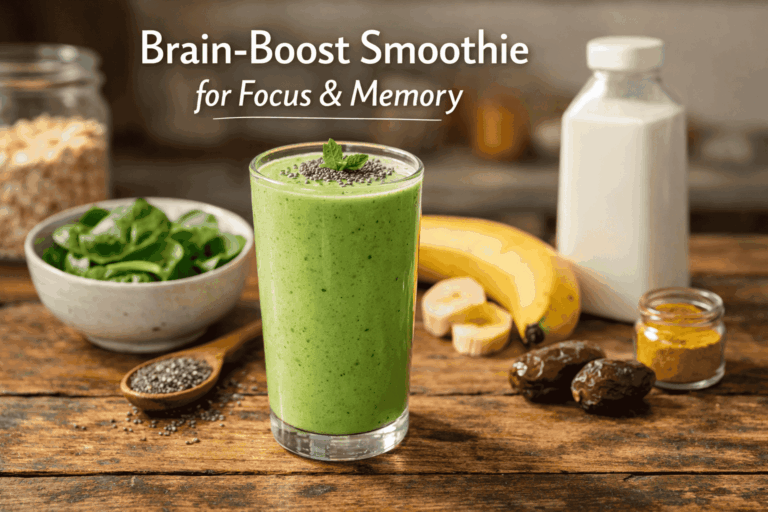
- Breakfast: Oatmeal cooked with fortified soy milk, topped with ground flaxseed, pumpkin seeds, and sliced figs. A side of sautéed spinach with garlic.
- Delivers: Calcium, magnesium, silicon, boron, zinc.
- Mid-Morning (Sunlight): 15-minute walk outdoors to synthesize vitamin D.
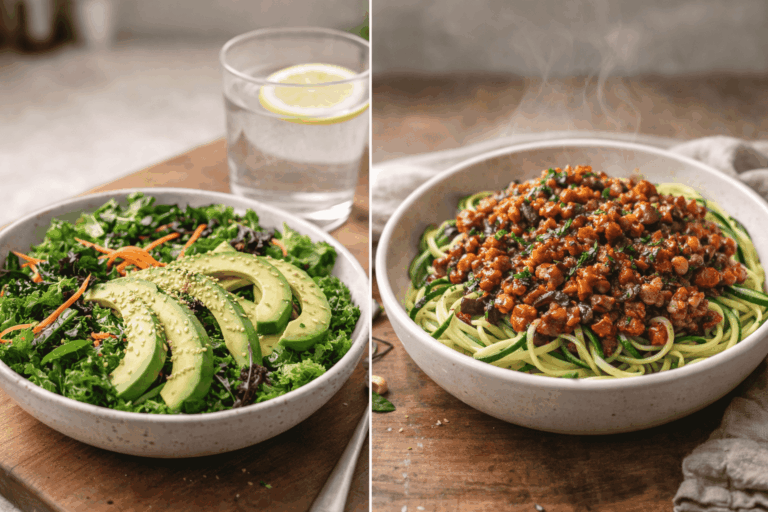
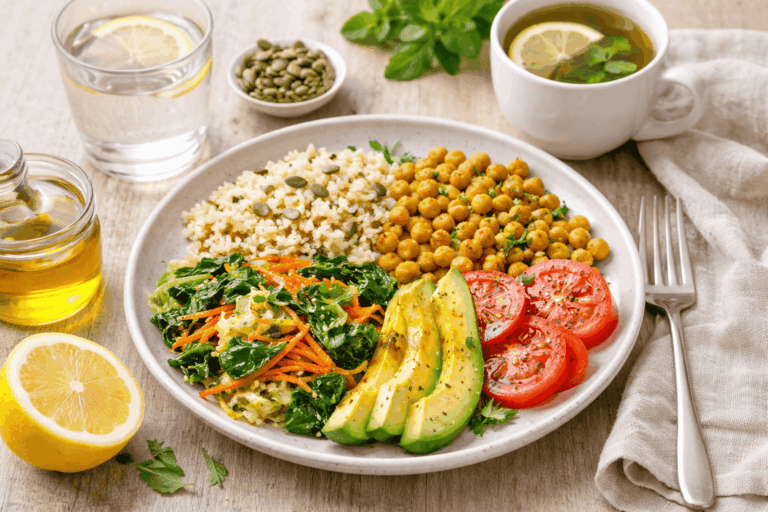
- Lunch: Large kale and white bean salad with tahini-lemon dressing, topped with almonds and sunflower seeds. A baked potato (skin on) on the side.
- Delivers: Calcium, potassium, phosphorus, copper, manganese, protein.
- Snack: Handful of prunes (for boron and potassium) and walnuts.
- Dinner: Calcium-set tofu stir-fry with bok choy, bell peppers, and brown rice. Miso soup on the side (for probiotics and trace minerals). Season with turmeric and black pepper.
- Delivers: Complete protein, calcium, magnesium, vitamin K2 (from miso), zinc.
- Evening: Chamomile tea (for relaxation and sleep quality, when bone remodeling peaks).
Exercise: The architect of bone
Without mechanical loading, bones will not rebuild, no matter how perfect your diet.
- Weight-Bearing: Brisk walking, hiking, dancing, or stair climbing (30 mins daily).
- Resistance: Pilates, yoga with weights, or resistance bands (2–3x weekly). Focus on hips, spine, and wrists.
- Caution: Avoid forward flexion (crunches, toe-touches) if you have diagnosed spinal osteoporosis; opt for neutral-spine core strengthening instead.
Osteoporosis is not a sign of fragility but a signal; a call to reorganize your relationship with movement, sunlight, and whole foods. By shifting from a mindset of “calcium deficiency” to one of nutritional synergy, you provide your bones with the full spectrum of tools they need to rebuild. You cannot change your past bone mass, but you can absolutely dictate the density and resilience of the bone you build today.
Medical Disclaimer: This information is for educational purposes only and does not constitute medical advice. Osteoporosis is a serious medical condition that requires diagnosis and monitoring by a qualified healthcare professional. Always consult your doctor before making changes to your treatment plan, especially regarding exercise safety if you have low bone density.