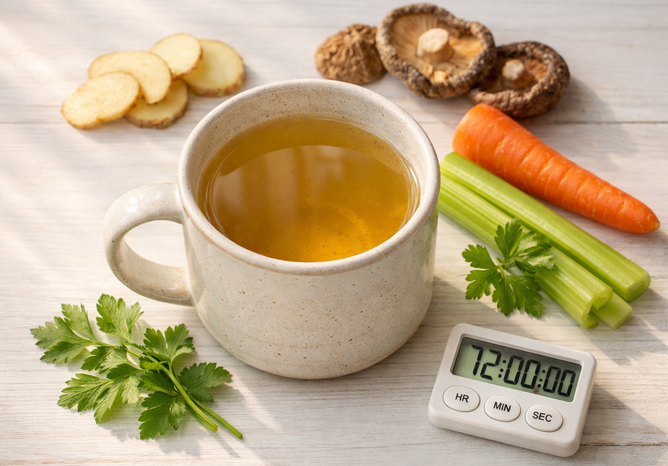

The digital timer on my phone screen reads 72:00:00. Three full days. Seventy-two hours without a single calorie. The physical challenge of the fast; the hunger pangs on day one, the mental fog on day two, the surprising clarity on day three, is officially over. A wave of accomplishment washes over me. But I know, with absolute certainty, that the most critical part of this entire process is just beginning.
This isn’t the finish line. It’s the starting line for the refeed.
For anyone who has undertaken an extended fast, you know this moment is electric with anticipation. Fantasies of food have likely danced in your head for the last 24 hours. But jumping from a fasted state directly into a feast is not just unwise; it’s dangerous. How you reintroduce food to your system is arguably more important than the fast itself.
After extensive research and medical consultation, I’ve learned that a successful refeed isn’t about satisfying cravings. It’s a strategic, gentle, and mindful process designed to safely restart your digestive system, replenish vital nutrients, and prepare your body for the next cycle. This post is my personal, detailed blueprint for that crucial 24-hour window. This is the exact plan I am using to break my first 72-hour fast, a plan built on principles of safety, nourishment, global accessibility, and a 100% plant-based ethos.
A Crucial Medical Disclaimer: The following plan is my personal strategy, developed after consulting with a healthcare professional. It is shared for educational purposes only. Refeeding after an extended fast (over 48 hours) carries risks, including the potentially fatal Refeeding Syndrome. Please consult with your doctor before attempting any fasting protocol or refeeding plan. This is not medical advice.
Part 1: The ‘Why’: The Critical Principles of Refeeding
Before we get to the “what,” we must understand the “why.” Your digestive system has been in a state of deep rest. Your stomach has shrunk, and the production of digestive enzymes has been significantly reduced. Your body has also undergone major shifts in fluid and electrolyte balance. Throwing a complex, heavy meal at this delicate system is like asking someone who’s been asleep for three days to immediately run a marathon.
My refeeding strategy is built on four guiding principles.
1. Danger: Acknowledging Refeeding Syndrome: This is the most serious risk. When you reintroduce carbohydrates and calories too quickly after a period of starvation, your body rapidly releases insulin. This causes cells to quickly pull phosphate, potassium, and magnesium from the bloodstream. This sudden drop in crucial electrolytes can lead to severe cardiac, respiratory, and neurological problems. The risk is highest with longer fasts, but caution is paramount even after 72 hours. This is why we go slow.
2. Go Slow and Small: The size of your first few meals is critical. We are talking about appetizer-sized portions. The goal is not to feel “full” but to gently signal to the body that the fasting period is over.
3. Easy to Digest: For the first 24 hours, we will prioritize foods that are soft, cooked, and low in abrasive fiber. Raw vegetables, nuts, seeds, and even some high-fiber fruits can be too harsh for a dormant digestive system, potentially causing cramping, bloating, and gas. Cooking breaks down fibers and makes nutrients more bioavailable.
4. Nutrient-Dense, Not Calorie-Dense: The objective is to flood your body with the vitamins and minerals it needs, not to cram in as many calories as possible. We will focus on whole, unprocessed plant foods that deliver the maximum nutritional bang for their buck.
With these principles in mind, let’s move on to the actual plan.
Part 2: The ‘What’: My 24-Hour Refeeding Blueprint
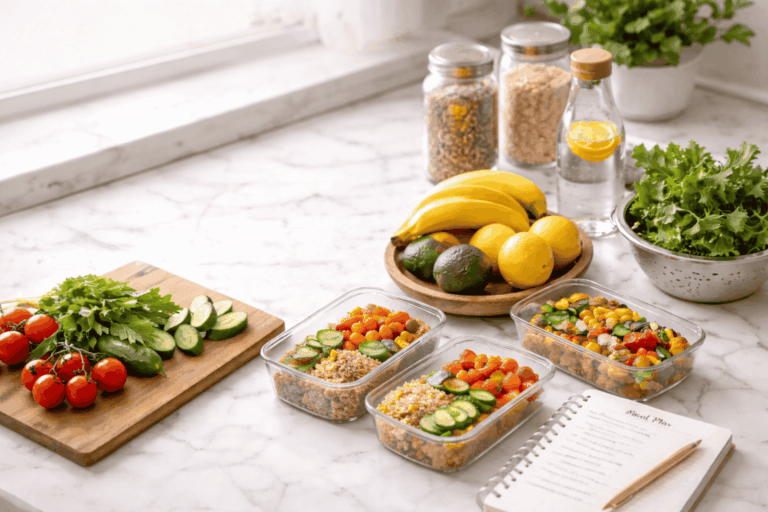
This blueprint is broken down into four small, strategic meals over the 24-hour refeeding window. The recipes are intentionally simple, using ingredients that are affordable and readily available in most parts of the world, all while being completely vegan.
Meal 1 (The Awakening – Immediately After Fasting)
Time: 72-hour mark.
Goal: Gently wake up the digestive system with warmth, hydration, and minerals without overwhelming it.
This first “meal” is more of a signal. It should be liquid, warm, and comforting. While some fasting traditions use animal-based broths, a simple, clean, and compassionate vegetable broth is the perfect plant-based choice.
What I’m Having: A small cup (about 200-250ml or 1 cup) of “Gentle Awakening Vegetable Broth.”
Recipe: Gentle Awakening Vegetable Broth
This is less of a recipe and more of a method. It costs next to nothing and helps reduce food waste.
Ingredients:
- 5-6 cups of water
- 1 carrot, roughly chopped
- 1 celery stalk, roughly chopped
- 1/2 onion, quartered
- 2-3 dried mushrooms (any kind, shiitake is great if available)
- A few thin slices of fresh ginger
- A generous pinch of iodized salt
- Optional: a sprig of parsley, a bay leaf, or a few peppercorns.
Instructions:
- Combine all ingredients in a pot.
- Bring to a boil, then immediately reduce the heat to a very low simmer.
- Let it simmer gently for 30-45 minutes to allow for a slow, deep extraction of flavor and minerals.
- Strain the liquid very well through a fine-mesh sieve or cheesecloth. You want to remove all solid particles, leaving only the clear, nutrient-rich broth.
- Sip slowly and mindfully.
Why this works: The warm liquid is soothing. The salt helps replenish sodium. The broth provides trace minerals from the vegetables in a very easily absorbed form, preparing the digestive tract for what’s to come without requiring any real digestive effort.
What to still avoid in this first broth: It’s just as important to know what not to add, as these can easily cause digestive distress.
- Cruciferous Vegetables: Do not add broccoli, kale, or large amounts of cabbage. They are high in sulfur compounds that can cause significant gas and bloating in a sensitive system.
- Starchy Vegetables: Do not add potatoes or sweet potatoes. The starch makes the broth thicker and harder to digest for this very first step.
- Legumes: Do not add any lentils or beans to the broth itself. Keep them for Meal 2.
- Grains: Do not add rice or oats to the broth.
- Fat/Oil: Do not add any oil. The goal is a pure, mineral-rich liquid.
Meal 2 (The Foundation – 2-3 Hours Later)
Time: 2-3 hours after Meal 1.
Goal: Introduce gentle protein and easily digestible carbohydrates.
Now we can introduce something with a bit more substance, but it must remain soft and soupy. A perfect food for this is a simple red lentil soup, known as dal in many parts of the world. Red lentils cook quickly, become very soft, and are a wonderful source of protein and iron.
What I’m Having: A small bowl (about 1.5 cups) of “Nourishing Red Lentil Soup.“
Recipe: Nourishing Red Lentil Soup (Dal)
- Ingredients:
- 1/2 cup red lentils, rinsed well
- 2 cups of water
- 1/2 small onion, finely chopped
- 1 clove garlic, minced (optional)
- 1/4 teaspoon turmeric powder and a pinch of black pepper
- 1/2 teaspoon cooking oil (coconut, olive)
- A pinch of salt
- Instructions:
- In a small pot, heat the oil over medium heat. Add the chopped onion and cook for 2-3 minutes until soft. Add the garlic (if using) and cook for another 30 seconds.
- Add the rinsed lentils, the turmeric and black pepper powder, and the 2 cups of water.
- Bring to a boil, then reduce the heat to a low simmer.
- Let it cook for 15-20 minutes, or until the lentils are completely soft and have started to break down, creating a thick, soupy consistency. Stir occasionally to prevent sticking.
- Add salt to taste. Serve warm.
Why this works: Cooked lentils provide gentle plant-based protein and fiber. Turmeric is a powerful anti-inflammatory, which is beneficial after a fast. The soup is still primarily liquid, making it very easy for the stomach to handle.
Meal 3 (The Rebalancing – Late Afternoon / Early Dinner)
Time: 4-5 hours after Meal 2.
Goal: Introduce a more balanced meal with complex carbohydrates, solid protein, and well-cooked vegetables.
This is the first “solid” meal, but every component is still chosen for its digestibility. We are assembling a simple, nourishing bowl.
What I’m Having: “The Rebalancing Bowl.“
Recipe: The Rebalancing Bowl
- Ingredients:
- 1/2 cup cooked white rice (White rice is preferred here over brown as it is lower in fiber and easier to digest initially).
- 1/2 block of firm tofu (about 100g or 3.5oz), patted dry and cubed.
- 1 large handful of spinach (or a few leaves of chopped cabbage).
- 1/2 teaspoon soy sauce (or tamari/liquid aminos).
- A drizzle of cooking oil.
- Instructions:
- Cook the white rice normally (boiling).
- While the rice cooks, heat a small pan with a drizzle of oil over medium-high heat. Add the cubed tofu and pan-fry for 5-7 minutes, turning occasionally, until lightly golden on all sides.
- In the last minute of cooking the tofu, add the handful of spinach to the pan. It will wilt very quickly (I personally prefer baby spinach).
- Assemble your bowl: Place the cooked rice at the bottom, top with the pan-fried tofu and wilted spinach. Drizzle with the soy sauce.
Why this works: This meal provides a balanced profile of macronutrients. The cooked white rice is a gentle carbohydrate source. Tofu offers a complete, soft protein. The cooked spinach provides iron and vitamins in a non-abrasive form. The portion is still small, but it feels like a complete and satisfying meal.
Meal 4 (The Top-Up – 2-3 Hours Before Bed, Optional)
Time: Evening.
Goal: To provide a final, small dose of nutrients and ensure you feel satiated, setting you up for good sleep.
This meal is optional. Listen to your body. If you feel perfectly content after Meal 3, skip it. If you feel a little peckish, this is a perfect, comforting way to close your eating window.
What I’m Having: A small piece of fruit and a small bowl of oats. A banana is an excellent choice as it’s soft and rich in potassium.
Recipe: Simple Comfort Oats
- Ingredients:
- 1/4 cup rolled oats
- 1/2 cup water
- A tiny pinch of salt
- Optional: 1/2 a ripe banana, mashed.
- Instructions:
- Combine the oats, water, and salt in a small pot.
- Cook over medium heat for 3-5 minutes, stirring until the oats are soft and the water is absorbed.
- If using, stir in the mashed banana for natural sweetness.
Why this works: Oats are famously soothing for the digestive system. A banana provides potassium, a key electrolyte. This meal is simple, warm, and helps stabilize blood sugar before bed without being heavy.
What to Absolutely AVOID in the First 24 Hours
What you don’t eat is just as important. Avoid these foods to prevent digestive distress and support your body’s recovery. On a plant-based diet, this means being mindful of certain otherwise healthy foods that are simply too much for a reawakening system.
- Nuts, Seeds, and Raw Vegetables (like salads): Too much rough fiber. Your digestive system isn’t ready for this level of mechanical breakdown.
- Legumes (other than well-cooked lentils): Beans like kidney beans or black beans, even when cooked, can be gassy and harder to digest initially.
- Heavy, Greasy, or Fried Plant-Based Foods: Avoid vegan burgers, fried foods, and anything rich in processed oils.
- Cruciferous Vegetables (raw broccoli, cauliflower, Brussels sprouts): Even when cooked, use caution. Raw is a definite no, as they can cause significant gas and bloating.
- Sugary Drinks, Desserts, and Processed Vegan Snacks: These will spike your insulin, stress your system, and can cause stomach upset. This includes vegan ice cream, cookies, and candy.
- Alcohol: It’s dehydrating and inflammatory, the last thing your body needs.
The First Step on a New Path
The 24 hours after a fast are a profound lesson in mindful eating. Every sip of broth, every spoonful of soup, feels intensely nourishing. By following this slow, gentle, and strategic plan, I am not just safely breaking my fast; I am honoring the work my body has done over the last 72 hours. I am replenishing it with kindness and setting a positive foundation for the next cycle.
This refeeding process is a skill. It gets easier and more intuitive with each cycle. Listen to your body, respect its period of rest, and feed it with intention. The journey doesn’t end when the fast does, it simply enters a new, beautiful phase.
Tootsie roll bear claw cheesecake cotton candy sugar plum marshmallow sweet icing toffee. Sesame snaps I love sesame snaps pudding topping bonbon tootsie roll biscuit pudding. Ice cream cupcake I love. Lollipop fruitcake candy. Chocolate cake gummi bears oat cake jelly-o chupa chups wafer. Dessert jujubes croissant bear claw. Apple pie danish brownie I love pie brownie. Fruitcake macaroon pie cotton candy tiramisu.