
What to eat before you start fasting
Fasting, in its many forms, is a practice that has gained significant attention for its potential to reset the body, enhance mental clarity, and promote overall well-being. But a successful fast doesn’t just begin the moment you stop eating. In fact, the week before your fast is arguably one of the most critical periods. This is your “prep week,” a crucial transition phase that can make the difference between a challenging, uncomfortable experience and a smooth, empowering journey.
For those of us on a plant-based path, preparing for a fast requires a mindful approach. It’s about strategically fueling our bodies with clean, nutrient-dense, animal-free foods that ease the transition, minimize potential side effects, and set the stage for a successful fast. Forget the old notion of a massive “last supper.” The modern, intelligent approach is to taper down, nourish deeply, and prepare your system for the restorative rest to come.
This guide will walk you through everything you need to know about what to eat during your prep week, all from a 100% plant-based perspective.
The ‘Why’: The importance of a pre-fasting prep week
Jumping from your normal eating habits straight into a fast, especially a prolonged one, can be a shock to the system. A dedicated prep week serves several vital physiological and psychological functions.
1. Easing the Transition to Fat-Adaptation: The primary metabolic shift that occurs during a fast is from burning glucose (from carbohydrates) for energy to burning fat (ketones). A prep week, focused on reducing carbohydrates, slowly coaxes your body into this state. This gradual shift makes the final transition into fasting less abrupt and more efficient.
2. Minimizing Uncomfortable Side Effects: The dreaded “keto flu” a collection of symptoms like headaches, fatigue, irritability, and nausea is common when the body rapidly switches fuel sources. These symptoms are often caused by dehydration and an imbalance of electrolytes as the body sheds water stored with glycogen (our stored carbs). A proper prep week focuses on hydration and electrolyte-rich foods, significantly reducing or even eliminating these discomforts.
3. Topping Up Nutrient Stores: Your body is about to embark on a period of drawing from its internal reserves. The week before is your opportunity to flood your system with essential vitamins, minerals, and phytonutrients. Think of it as filling up your nutritional tank before a long road trip. This ensures your cells have everything they need to function optimally during the fast.
4. Supporting Your Mental Game: Willpower is a finite resource. By gradually changing your diet and preparing your meals, you are building discipline and mental fortitude. This practice creates a ritual around your fast, transforming it from an act of deprivation into a conscious act of self-care and intention.
The ‘What’: Core nutritional principles for your plant-based prep week
Your prep week menu should be built on a foundation of whole, unprocessed plant foods. The goal is to decrease inflammation, stabilize blood sugar, and give your digestive system a head start on its rest period.
1. Prioritize high-quality, healthyfats
Fat will be your body’s primary fuel during the fast. It is also incredibly satiating, which will help you feel full and satisfied as you reduce other food groups. Throughout your prep week, especially in the last few days, healthy fats should become the star of your plate.
- Avocados: A true superfood for pre-fasting. They are packed with monounsaturated fats, fiber, and, critically, potassium, a key electrolyte.
- Nuts & seeds: Walnuts, almonds, macadamia nuts, chia seeds, flaxseeds, and hemp seeds are all excellent choices. They provide fat, protein, and fiber. Nut butters are great too, just ensure they are free from added sugars or oils.
- Olives & olive oil: Extra virgin olive oil is a fantastic source of healthy fats and anti-inflammatory compounds. Drizzle it generously over salads and cooked vegetables.
- Coconut: Unsweetened coconut milk, coconut cream, and MCT oil can be valuable additions. MCTs (Medium-Chain Triglycerides) are fats that are more readily converted into ketones, providing a quick source of energy.
2. Moderate your plant-based protein
Protein is essential for preserving muscle mass and providing feelings of satiety. However, consuming excessive protein can be converted to glucose by the body in a process called gluconeogenesis, which can hinder the transition into a fat-burning state. The key is moderation.
- Tofu & tempeh: These soy-based foods are excellent sources of complete protein. Opt for organic and non-GMO varieties. They are versatile and easy to digest.
- Lentils & chickpeas: While excellent sources of protein and fiber, they are also higher in carbohydrates. Include them in the early part of your prep week, but consider reducing them in the final 1-2 days before your fast begins.
- Edamame: A great combination of protein, fat, and fiber with a relatively lower carb count compared to other legumes.
- Plant-based protein powder: A high-quality, unsweetened pea, hemp, or brown rice protein powder can be a great way to ensure adequate protein intake without adding bulk, especially in a smoothie.
3. Strategically reduce carbohydrates and sugars
This is the most significant dietary shift you will make. The goal is to deplete your body’s glycogen stores. This means eliminating sugars and gradually reducing your carbohydrate intake throughout the week.
- Eliminate all added sugars: This is non-negotiable. Read labels carefully. Say goodbye to sweetened drinks, desserts, and processed snacks. This also includes natural sweeteners like maple syrup or agave nectar during your prep.
- Phase out refined grains: White bread, pasta, white rice, and pastries should be the first to go. They offer little nutritional value and cause sharp spikes in blood sugar.
- Reduce starchy vegetables & high-sugar fruits: In the first half of the week, sweet potatoes, squash, and quinoa are fine. As you approach your fast, taper these down. Similarly, reduce high-sugar fruits like bananas, mangoes, and grapes, opting for low-glycemic berries instead.
4. Amp up fiber & non-starchy vegetables
These foods are your best friends during prep week. They are low in calories and carbohydrates but packed with fiber, water, vitamins, and minerals. Fiber helps keep you full, supports a healthy gut microbiome, and ensures your digestive system is clear before your fast.
- Leafy Greens: Spinach, kale, arugula, chard, and romaine lettuce should form the base of many meals. They are rich in magnesium, another crucial electrolyte.
- Cruciferous Vegetables: Broccoli, cauliflower, Brussels sprouts, and cabbage are fiber powerhouses that support the body’s natural detoxification pathways.
- Other Stars: Asparagus, celery, cucumber, zucchini, bell peppers, and mushrooms are all excellent, low-carb choices that add variety and nutrients.
5. Focus on hydration and electrolytes
As your body flushes out stored glycogen, it also releases water. Replacing this fluid and the electrolytes that go with it is paramount to feeling good.
- Water: Drink plenty of it. Aim for at least 2-3 liters per day.
- Herbal Teas: Peppermint, ginger, or chamomile teas are hydrating and can soothe the digestive system.
- Electrolyte Sources:
- Sodium: Add a pinch of high-quality sea salt or Himalayan pink salt to your water or sprinkle it liberally on your food.
- Potassium: Found abundantly in avocados, leafy greens, and mushrooms.
- Magnesium: Found in leafy greens, nuts, and seeds.
What to AVOID During Your Prep Week
Just as important as what you eat is what you avoid. Steer clear of anything that will increase inflammation or place a burden on your digestive system.
- Processed foods: This includes most vegan meats, cheeses, and packaged meals that contain long lists of ingredients, refined oils, and fillers. Stick to whole foods.
- Inflammatory Oils: Avoid refined vegetable oils like canola, soy, corn, and sunflower oil. Stick to extra virgin olive oil, avocado oil, and coconut oil.
- Alcohol: Alcohol is dehydrating, inflammatory, and full of empty calories. It should be completely avoided during your prep week.
- Caffeine (taper down): If you are a heavy coffee drinker, consider tapering down your intake. Caffeine can impact sleep and contribute to dehydration. Switching to green tea can be a good intermediate step.
3-Day Plant-Based Prep Meal Plan (For Experienced Fasters)
This sample plan is for the final three days before your fast, progressively lowering carbohydrates each day.
Day 1: The Initial Taper
- Breakfast: Tofu scramble with turmeric, black pepper, a large handful of spinach, and half an avocado on the side.
- Lunch: A large salad with mixed greens, cucumber, bell peppers, a sprinkle of hemp seeds, and a scoop of chickpeas, dressed with an olive oil and lemon vinaigrette.
- Dinner: A hearty lentil and vegetable soup (without potatoes or pasta). Focus on a clear broth base with lentils, carrots, celery, and kale.
- Hydration: Water and herbal tea throughout the day.
Day 2: Lowering Carbs
- Breakfast: Chia seed pudding made with unsweetened almond milk, a scoop of plant-based protein powder, topped with a few raspberries and a tablespoon of chopped walnuts.
- Lunch: Large bed of arugula topped with pan-fried tempeh strips, sliced olives, and roasted red peppers. Dress generously with extra virgin olive oil.
- Dinner: Roasted cauliflower steaks seasoned with smoked paprika and garlic powder, served with a side of sautéed kale with lemon and a dollop of tahini.
- Hydration: Water with a pinch of sea salt, plus herbal teas.
Day 3: The Final Day (Low-carb, high-fat)
- Breakfast: A green smoothie made with spinach, half an avocado, a scoop of plant-based protein powder, a tablespoon of flaxseed, and unsweetened almond milk.
- Lunch: Zucchini noodles (“zoodles”) tossed with a simple, rich pesto made from basil, pine nuts (or walnuts), garlic, nutritional yeast, and plenty of olive oil.
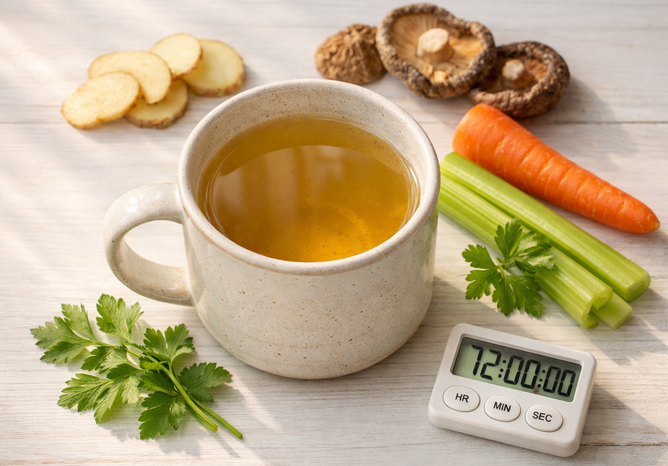
- Dinner: A very light and simple meal. A bowl of warm vegetable broth or a small plate of steamed asparagus and mushrooms drizzled with olive oil and sprinkled with sea salt. The goal is to have the digestive system as clear as possible before bed.
- Hydration: Water with electrolytes and calming herbal tea like chamomile.
7-Day Pre-Fasting Meal Plan (Beginner-Friendly)
This plan progressively lightens your diet while maintaining optimal nutrition. Each day includes breakfast, lunch, dinner, and two snack options. Portions can be adjusted based on your individual needs and activity level.
Day 1: Foundation Building
Focus: Nutrient-dense, protein-rich whole foods
Breakfast: Creamy Quinoa Porridge
- 1 cup cooked quinoa simmered with 1 cup unsweetened almond milk, 1 tablespoon ground flaxseed, 1 sliced banana, and a dash of cinnamon. Top with 2 tablespoons walnuts and a drizzle of maple syrup.
Lunch: Hearty Lentil & Kale Bowl
- 1.5 cups cooked green lentils mixed with massaged kale, roasted sweet potato cubes, tahini-lemon dressing (2 tbsp tahini, juice of 1 lemon, water to thin), and pumpkin seeds.
Dinner: Black Bean & Quinoa Stuffed Peppers
- Two roasted bell peppers stuffed with a mixture of black beans, quinoa, corn, diced tomatoes, and spices. Serve with a side of steamed broccoli.
Snacks: Apple slices with almond butter; handful of Brazil nuts (for selenium).
Day 2: Continued Loading
Breakfast: Protein-packed smoothie bowl
- Blend 1 cup unsweetened soy milk, 1 frozen banana, 1 cup frozen berries, 2 tablespoons hemp hearts, and 1 tablespoon almond butter. Pour into a bowl and top with 3 tablespoons granola and coconut flakes.
Lunch: Chickpea “Tuna” salad wraps
- Mashed chickpeas mixed with tahini, dill pickles, celery, and nutritional yeast, wrapped in two whole-grain tortillas with lettuce and tomato.
Dinner: Tempeh stir-fry
- 6 oz marinated tempeh (coconut aminos, ginger, garlic) stir-fried with bok choy, carrots, and snap peas over 1 cup brown rice.
Snacks: Celery sticks with sunflower seed butter; orange slices.
Day 3: Maintaining Momentum
Breakfast: Savory Oatmeal
- 1 cup rolled oats cooked with vegetable broth, topped with sautéed mushrooms, spinach, avocado slices, and hemp seeds.
Lunch: Red Lentil Soup & Salad
- Creamy red lentil soup with cumin and turmeric; side salad with cucumber, tomatoes, and lemon-tahini dressing.
Dinner: Millet & Roasted Vegetable Pilaf
- Roasted cauliflower, Brussels sprouts, and carrots mixed with fluffy millet, parsley, and lemon zest. Add chickpeas for extra protein.
Snacks: Mango slices; handful of raw almonds.
Day 4: Transition Begins
Focus: Slightly lighter meals, reduced portion sizes
Breakfast: Chia Pudding Parfait
- 1/2 cup chia pudding made with coconut milk, layered with pureed berries and topped with sliced kiwi and pumpkin seeds.
Lunch: Miso Soup with Tofu & Seaweed
- Traditional miso soup with cubed firm tofu, wakame seaweed, green onions, and silken noodles. Serve with a small side of steamed edamame.
Dinner: Zucchini Noodles with Pesto
- Spiralized zucchini noodles tossed with vegan basil pesto (pine nuts, nutritional yeast, olive oil, basil) and cherry tomatoes. Add white beans for protein.
Snacks: Banana with cashew butter; coconut yogurt with hemp hearts.
Day 5: Lightening the Load
Focus: Cooked foods only, reduced fiber
Breakfast: Warm Buckwheat Porridge
- 1 cup cooked buckwheat groats with stewed apples, cinnamon, and a touch of maple syrup. Add 1 tablespoon ground chia seeds.
Lunch: Steamed Vegetable Bowl with Tahini
- Steamed sweet potato, beets, and green beans over 1/2 cup white rice with 3 tablespoons lemon-tahini sauce and hemp seeds.
Dinner: Golden Lentil Dal
- Red lentils cooked with turmeric, ginger, and coconut milk until very soft. Serve over 1/2 cup basmati rice with a side of steamed spinach.
Snacks: Papaya cubes (enzyme-rich); herbal tea with a date.
Day 6: Digestive Rest
Focus: Easily digested foods, minimal fiber
Breakfast: Smoothie
- 1 cup coconut water, 1 banana, 1/2 cup mango, 2 tablespoons hemp protein powder, and a handful of spinach. Very smooth, no chunks.
Lunch: Pureed Vegetable Soup
- Creamy carrot-ginger soup (blended until completely smooth) with a side of well-cooked quinoa (1/3 cup).
Dinner: Mashed Potato & Cauliflower Bowl
- Half mashed potatoes, half mashed cauliflower mixed with nutritional yeast and almond milk. Serve with 1/2 cup pureed white beans and steamed asparagus.
Snacks: Melon balls; strained vegetable broth.
Day 7: The Day Before
Focus: Liquid emphasis, minimal solid food
Breakfast: Fresh Vegetable Juice
- 500ml/16 oz green juice: cucumber, celery, green apple, lemon, and ginger.
Mid-Morning: Herbal tea with a teaspoon of coconut oil.
Lunch: Light Soup
- Clear vegetable broth with shredded carrots and soft tofu cubes. Optional: 1/4 cup well-cooked white rice.
Afternoon: Coconut water with a pinch of sea salt.
Dinner: Final Light Meal
- Steamed zucchini and yellow squash pureed into a thin soup. Optional: 2-3 small crackers.
Evening: Chamomile tea.
Final Preparations: Beyond the Food
- Gentle Movement: Avoid strenuous workouts during your prep week, especially in the last couple of days. Opt for walking, gentle yoga, or stretching to support circulation and lymphatic drainage without depleting your energy stores.
- Prioritize Sleep: Sleep is when your body does its best repair work. Aim for 7-9 hours of quality sleep per night to support hormone regulation and recovery.
- Plan Your Refeed: Just as you plan your prep, plan how you will break your fast. Your first meal should be small, gentle, and easy to digest. Having this plan in place removes decision fatigue when you’re most vulnerable.
Your Journey Begins Now
Your fast doesn’t start on day one; it starts with the intention and care you put into your prep week. By nourishing your body with clean, vibrant, and strategic plant-based meals, you are not just preparing for a physical challenge, you are engaging in a profound act of self-respect. You are providing your body with the tools it needs to cleanse, repair, and thrive.
Embrace this preparatory phase as an integral part of your fasting journey. Listen to your body, hydrate deeply, and enjoy the delicious, whole foods that will carry you forward. You are setting yourself up for a successful, insightful, and truly restorative experience.
Disclaimer: The information provided in this article is for educational purposes only and is not intended as medical advice. Fasting can have significant effects on the body. Please consult with a qualified healthcare professional before beginning any fasting regimen, especially if you have a pre-existing medical condition, are pregnant or breastfeeding, or are taking medication.
Tootsie roll bear claw cheesecake cotton candy sugar plum marshmallow sweet icing toffee. Sesame snaps I love sesame snaps pudding topping bonbon tootsie roll biscuit pudding. Ice cream cupcake I love. Lollipop fruitcake candy. Chocolate cake gummi bears oat cake jelly-o chupa chups wafer. Dessert jujubes croissant bear claw. Apple pie danish brownie I love pie brownie. Fruitcake macaroon pie cotton candy tiramisu.